
The essentials in 30 seconds
- Filing: Chapter 11 bankruptcy protection on September 23, 2026, by the company registered as Vineburg LLC.
- Debt: about $37 million owed to two main lenders, plus $1.7 million to vendors and service providers.
- Turning point: an $11.6 million, 60-acre purchase in Glen Ellen in February 2020, a month before COVID-19 hit.
- For visitors: the Sonoma winery stays open during the restructuring.
Gundlach Bundschu, the Sonoma winery founded in 1858 and run by the same family for six generations, filed for Chapter 11 bankruptcy protection on September 23, 2026. The family is negotiating with a possible new investor and expects to keep only a minority stake, so the winery will change ownership for the first time.
An expansion at the wrong time
In February 2020, the company bought 60 acres off Madrone Road in Glen Ellen for $11.6 million, with a large loan, to build hospitality and production space for its spinoff label, Abbot's Passage. "In retrospect, the Company expanded at precisely the wrong time," CEO Jeff Bundschu wrote in his court declaration. Abbot's Passage stopped retail sales in July, and its Glen Ellen facility closes in early October.
Cuts that were not enough
Over the past 18 months, the winery cut its operating costs by more than 50%, about $7 million, and reduced its workforce from 120 to 63 employees. It received three letters of interest from potential investors or buyers, but its two principal lenders, Tiverton Advisors and American AgCredit, refused to sign off. Tiverton asked Sonoma County Superior Court to appoint a receiver, and the family says Chapter 11 became its only realistic option once debt exceeded assets.
What stays the same if you visit
"I need to reiterate 1,000 times, we're wide open," Jeff Bundschu told the Los Angeles Times. The winery farms 160 acres of vines, including the 100 it owns at its Rhinefarm estate, and makes about 42,000 cases a year, from cabernet sauvignon to dry Gewürztraminer. It welcomed about 30,000 visitors in 2025, according to the filing. Bundschu says the winery will focus on the Rhinefarm estate and may expand beyond wine, with music as part of its central offering.
A hard year for California wine
The filing follows other difficulties in the state, including the Chapter 11 case of Napa's Signorello Estate the previous month. "This is a challenging time for California wine, and some wineries are having to make incredibly difficult decisions," said Steve Gross, president of the Wine Institute. To get to know one of the whites the winery makes, read our Gewurztraminer guide.
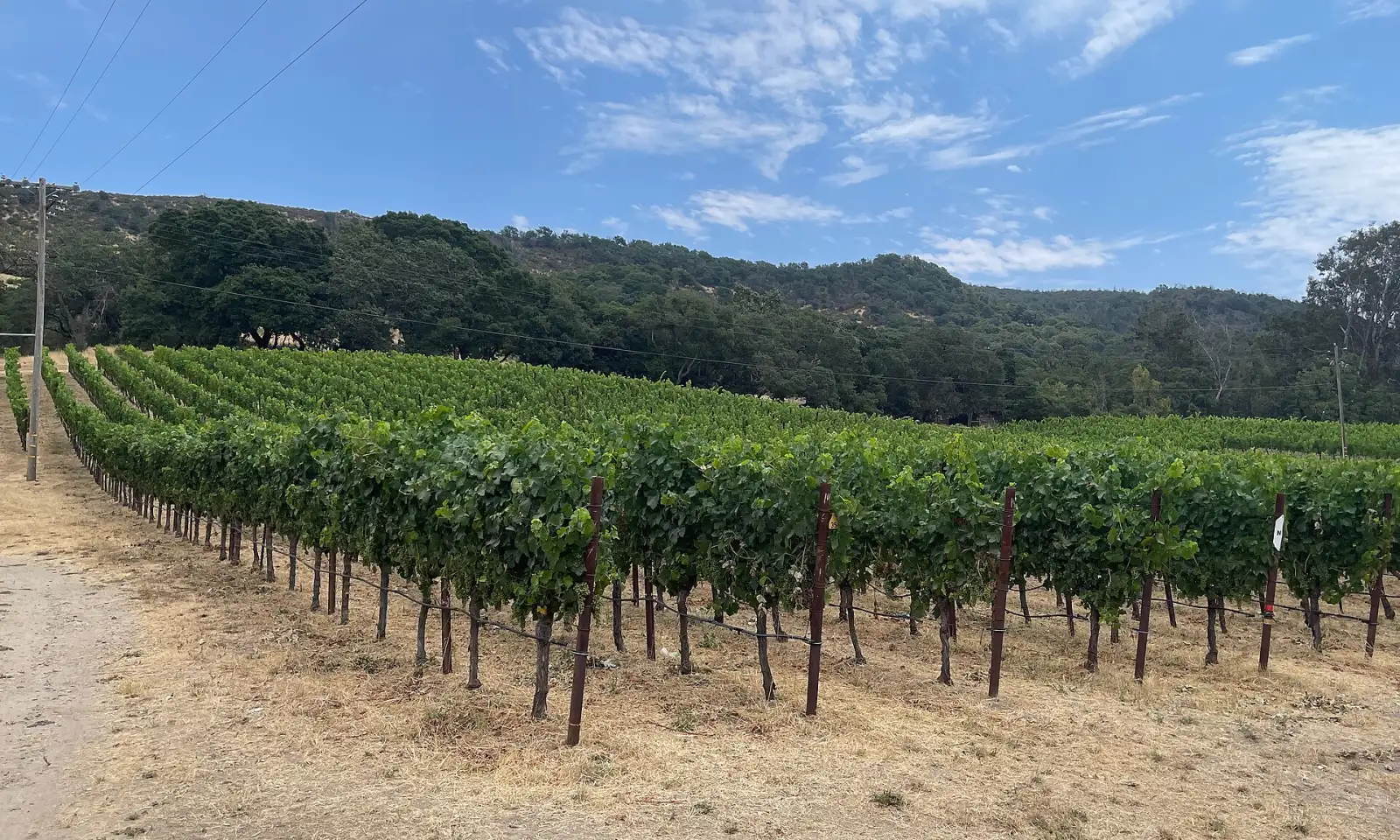
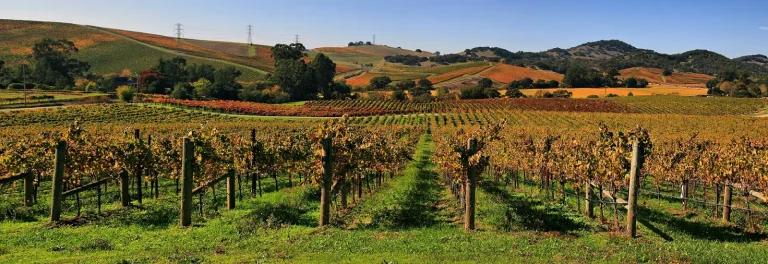
Photo: vineyard rows at Gundlach Bundschu Winery, Sonoma County, in July 2024, not taken during the bankruptcy case. Greghenderson2006, Wikimedia Commons, CC BY-SA 4.0. Sources: The Press Democrat and North Bay Business Journal: filing and CEO declaration, September 23, 2026, updated September 24; Los Angeles Times, republished by The Spokesman-Review, September 25, 2026. Checked on September 28, 2026.
Also worth reading
 Wine Spectator 2026: a Coombsville Napa Cabernet is Wine of the Year
 Sonoma State Study: What Winery Visitors Really Want
 Napa wine retail volume rises 1% as prices remain under pressure
 Michelin will rate Napa Valley wineries on April 23, 2027
 Southwest now flies a free case of wine from four Texas airports
 Idaho 2026 Harvest: Smaller Yields, Concentrated Grapes