
The essentials in 30 seconds
- New research: Sonoma State University surveyed 809 wine consumers in four countries, including the United States.
- Finding: visitors' interest in wine and the kind of experience they want predicted preferences better than nationality.
- For your visit: ask a winery whether you can taste at your own pace or join a guided session before booking.
A Sonoma State University study released on November 12, 2026, suggests that a winery visit works better when it fits the visitor's preferences than when it follows a national stereotype. Its practical lesson for a U.S. traveler is straightforward: decide whether you want a guided tasting, time to explore, or a full winery visit before you reserve.
What the Sonoma State team actually studied
Dr. InHaeng Jung of the university's Wine Business Institute led the research. The team surveyed 809 wine consumers in the United States, France, mainland China, and South Korea, and interviewed 14 wine professionals. These are reported preferences, not actual booking or sales data.
The researchers found four visitor patterns: people seeking a complete experience, people focused on the wine and expert guidance, independent explorers, and people with limited interest. All four appeared in each country in roughly similar proportions. Wine involvement, perceived knowledge, and wine values explained about twice as much variation in preferences as nationality. Together those factors explained about eight times as much as age, gender, education, and income.
| If you want... | Ask before booking |
|---|---|
| Expert guidance | Is the tasting led from start to finish, and can you ask detailed questions? |
| Room to explore | Can you taste independently, or is every session guided? |
| More than a tasting | Does the visit include a vineyard or cellar tour, and what is actually available that day? |
This checklist is Vinabox's reading of the visitor patterns. Confirm the format directly with the winery.
What U.S. visitors said about the experience
Hands-on activities such as harvest work and blending sessions ranked lowest among the experience categories in all four countries. Visitors valued learning about wine and an attractive setting more. American and French respondents showed the strongest preference for the setting over hands-on activities. A tour should not be assumed to be everyone's ideal visit.
Guided tastings were harder to predict. About one in four respondents in each country strongly preferred to explore independently. Neither nationality nor wine knowledge reliably predicted that preference. If you dislike a scheduled tasting, check the format before booking. The released summary does not list winery fees.
Why this matters in Sonoma County
The research comes from Sonoma County. Jung suggests offering a choice between guided and independent formats when guests book. Professionals interviewed reported softer U.S. demand and resistance to tasting fees. Those observations are not a measured national price trend.
Before reserving, ask what happens during the tasting and how much choice you have. A scenic setting may matter most to one visitor; a knowledgeable host may matter more to another.
Research limit: Sonoma State's public release gives the sample size and headline findings, but does not provide a winery-by-winery ranking or a representative count of every U.S. visitor.
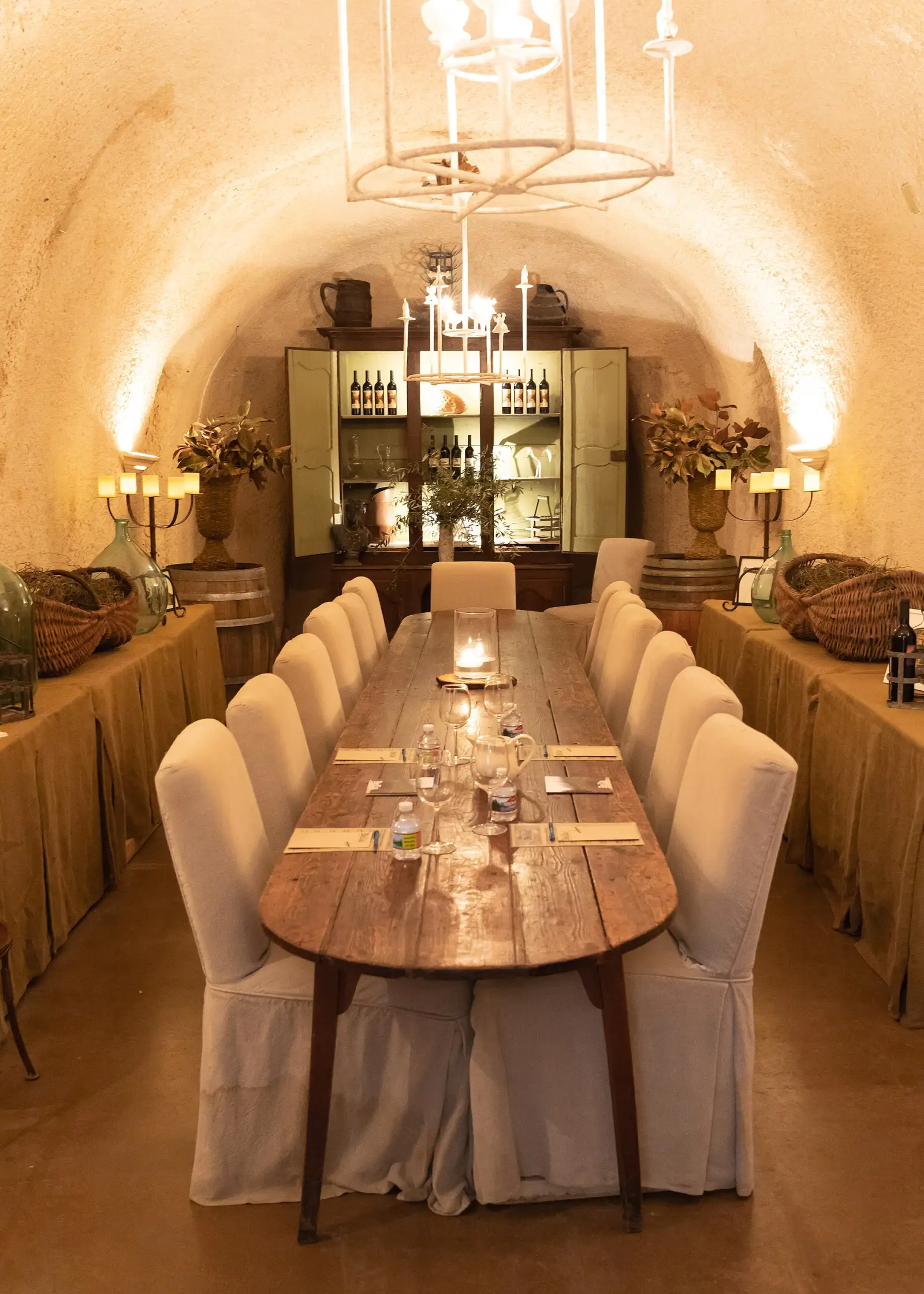
Photo: a tasting room at Bella Winery in Sonoma County, shown as an illustration of a winery visit, not a location studied in the survey. Frank Schulenburg, Wikimedia Commons, CC BY-SA 4.0. Source: Sonoma State University, research release dated November 12, 2026. Checked on November 14, 2026.
Also worth reading
 Wine Spectator 2026: a Coombsville Napa Cabernet is Wine of the Year
 Napa wine retail volume rises 1% as prices remain under pressure
 Michelin will rate Napa Valley wineries on April 23, 2027
 Southwest now flies a free case of wine from four Texas airports
 Idaho 2026 Harvest: Smaller Yields, Concentrated Grapes
 Wine Spectator Publisher Marvin Shanken Dies at 83