
The essentials in 30 seconds
- What happened: Terrain published its 2027 Napa wine market outlook on November 9.
- The key number: Napa wine retail volume rose 1% in the 12 months through June 2026, after declines in the two prior periods.
- The catch: Lower average bottle prices and excess inventory still weigh on the market.
Napa Valley wine is moving through U.S. stores again, but the recovery is modest. In a November 9 outlook, Terrain analyst Chris Bitter reports a 1% gain in off-premise retail volume for the 12 months ending June 2026, while warning that price pressure and unsold wine remain.
Three annual readings, one change of direction
The 1% increase follows a 2% decline in the comparable period ending June 2025 and a 9% decline in the period ending June 2024. Terrain draws those retail-volume figures from NielsenIQ. The comparison matters because it measures bottles moving through stores, rather than revenue or a winery's shipments to distributors. It also spans three different 12-month windows, not three calendar years.
| 12 months ending in June | Napa off-premise volume change |
|---|---|
| 2024 | -9% |
| 2025 | -2% |
| 2026 | +1% |
Read the sequence as a narrowing decline followed by a small gain. It does not mean Napa wineries have recovered the volume lost in the earlier periods. If an index began at 100 before the first decline, applying the three reported changes in order would leave it at about 90, an illustrative calculation from Terrain's percentages, not a published sales total. That is the scale of the gap a single positive year cannot close.
Why more bottles do not guarantee more money
Terrain says retailers have cut prices to help move wine. Some brands have discounted, and cheaper private-label bottles have also entered the mix. A shopper may see more Napa wine on a shelf or a lower average price, while the producer sees less margin per bottle. The report describes retail sales as roughly flat overall, even as unit volume improved.
There is another split between retail and the supply chain. Bitter says distributor depletions fell more than retail sales, indicating that stores were buying less Napa wine than they sold while working through inventory. In direct-to-consumer sales, Terrain cites Community Benchmark data showing total revenue down 2%. The channel has improved, but that figure is still negative. These are separate measures; combining them into one headline growth rate would be misleading.

What Terrain expects in 2027
Bitter expects modest progress over the next 12 months. He sees little change in sales through the traditional distributor channel, with possible improvement in direct-to-consumer sales and in distributor orders as retailers finish reducing stock. This is a forecast, not a reported 2027 result. Terrain also notes that weak winery visitation and rising costs could limit the benefit of any sales improvement.
The analyst points to Napa's large 2023 grape crush and says the following two crops were around the historical 10-year average. His concern is that supply was built for a larger market, leaving wine to sell over several more years. The practical reading for a buyer is simple: the market has more movement, but wineries may still need to explain why a particular bottle earns its price. For producers, the relevant signals are distinct: retail volume, average price, distributor orders and direct sales each tell a different part of the story.
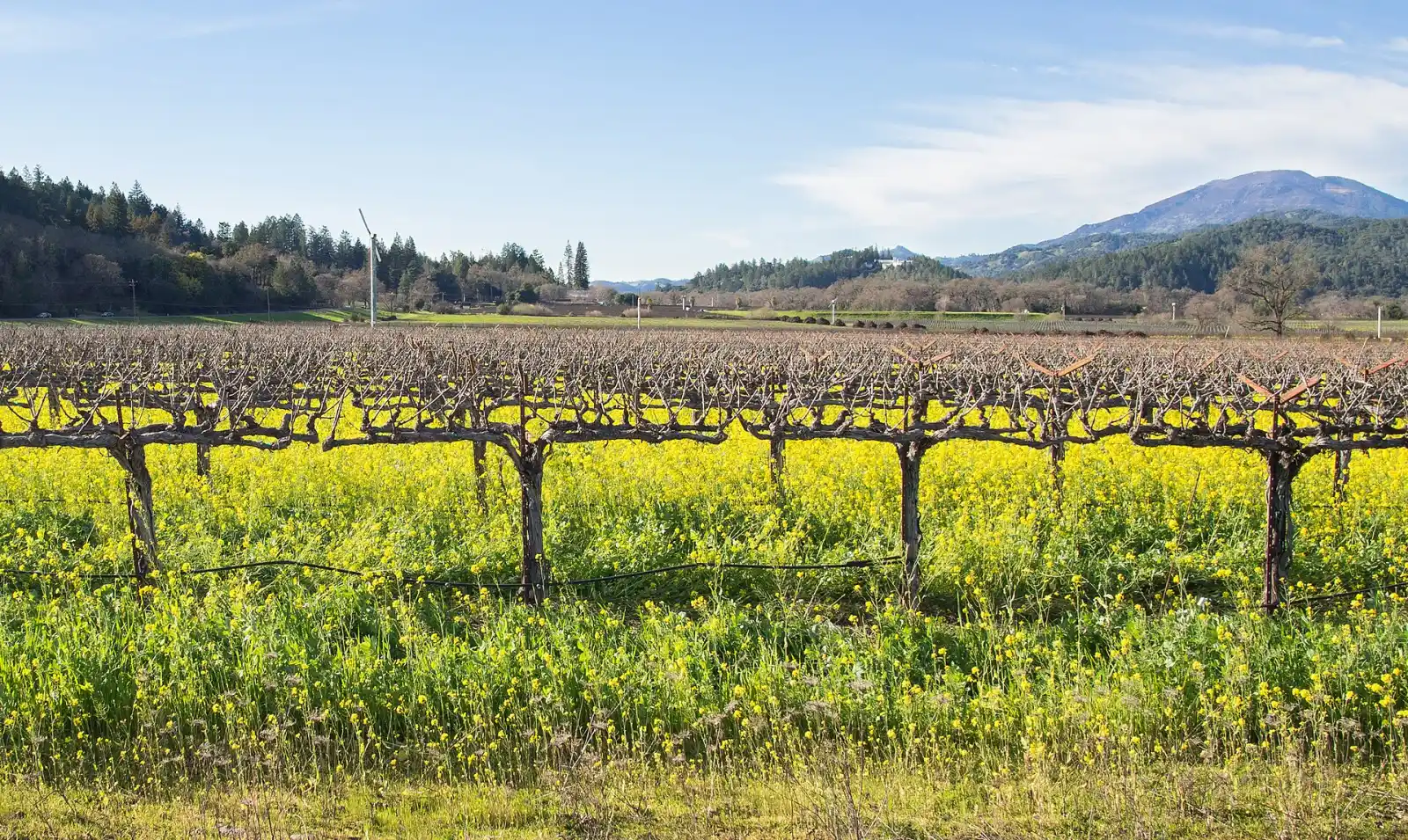
Featured photo: Napa Valley vineyard, not the Terrain event. Rhododendrites, Wikimedia Commons, CC BY-SA 4.0. Source: Terrain, 2027 Napa Wine Market Outlook, November 9, 2026. Checked November 10, 2026.
Also worth reading
 Wine Spectator 2026: a Coombsville Napa Cabernet is Wine of the Year
 Sonoma State Study: What Winery Visitors Really Want
 Michelin will rate Napa Valley wineries on April 23, 2027
 Southwest now flies a free case of wine from four Texas airports
 Idaho 2026 Harvest: Smaller Yields, Concentrated Grapes
 Wine Spectator Publisher Marvin Shanken Dies at 83