
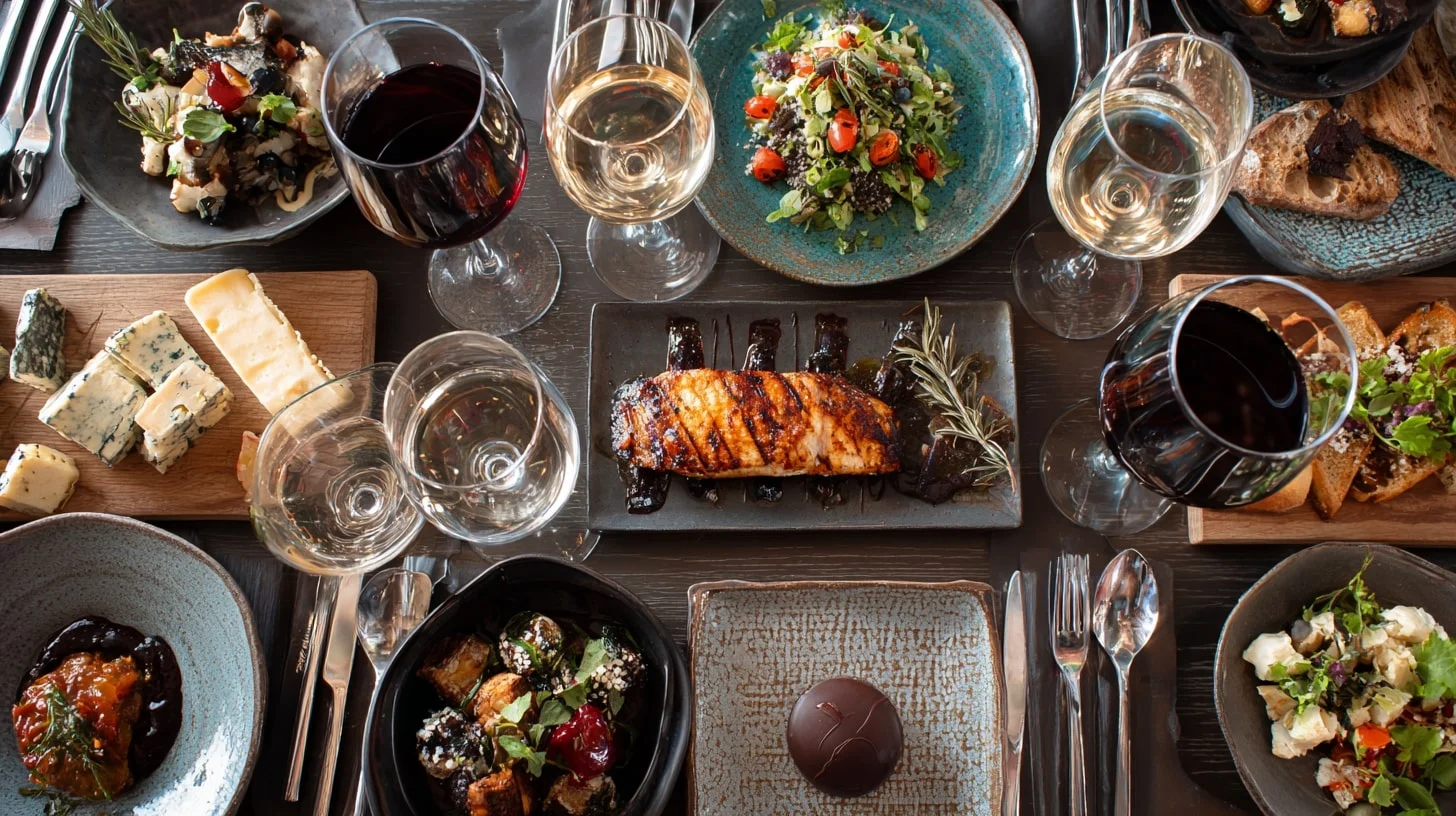
At a glance
Start with a wine you like, then consider the dish’s sauce, sweetness, acidity and intensity. Pairing suggestions are starting points. Taste the food and wine together and adjust to your own preferences.
Start with the whole dish
“Red with meat, white with fish” leaves out most of dinner. Salmon with lemon, salmon with a soy glaze and salmon in cream sauce are three different pairing decisions. The sauce and seasoning can matter more than the main ingredient.
Before choosing a bottle, describe the dish in a few words: light or rich, tangy or sweet, mild or spicy. Then tell a retailer the style you already enjoy and your budget. That gives them more useful information than asking for the one correct wine for chicken.
Match intensity, then choose a contrast or a similar flavor
A delicate dish can be overwhelmed by a forceful wine. A deeply flavored stew may make a very light wine seem faint. Matching intensity is a useful first step, though your own preferences still matter.
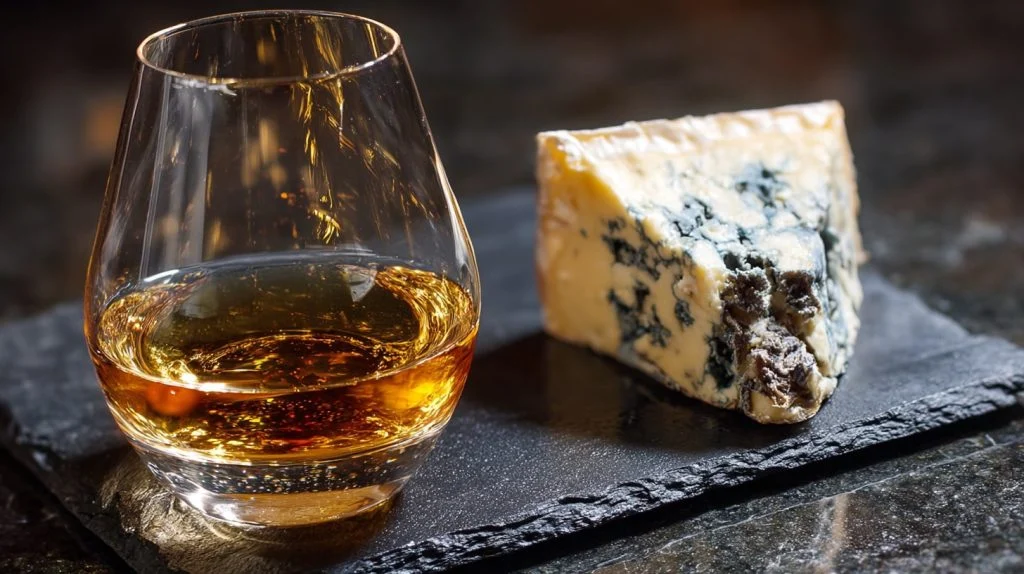
A similar flavor can make a pairing easy to understand: an earthy mushroom dish with a savory red, or a citrus-dressed salad with a fresh white. A contrast can work too. Sweet wine with salty blue cheese is a familiar example. The wine does not contain fat; its sweetness contrasts with the cheese's salt and tang.
What changes when food meets wine
Salt, acid and sweetness can alter your perception of a wine. WSET recommends considering the components of the food, rather than treating traditional pairings as rules. Sweet food can make a dry wine seem less fruity or more bitter; chile heat can make alcohol more noticeable. Its food-pairing guidance also discusses those effects.
| What is prominent in the dish? | A useful starting point | What to check when you taste |
|---|---|---|
| Lemon, vinegar or tomato | A wine with refreshing acidity | Does the wine still taste lively alongside the dish? |
| A rich cream sauce | A white with enough body for the sauce | Does either the sauce or wine overwhelm the other? |
| Sweet glaze or dessert | Some sweetness in the wine | Does a dry wine become noticeably sharp or bitter? |
| Chile heat | A lower-alcohol, fruit-focused style; off-dry if you like it | Does the alcohol feel hotter with the food? |
| Salt and rich texture | Try the wine with an actual bite of the dish | Does the pairing make the wine feel softer or more balanced? |
Weeknight pairings to try
The examples below are Vinabox starting suggestions, not promises about every bottle or recipe. Use them to explain what you want at a store or to compare two wines you already have.
| Meal | One option | If the recipe changes |
|---|---|---|
| Roast chicken with herbs | Unoaked Chardonnay or a lighter Pinot Noir | A cream sauce may suit a fuller white. |
| Tomato pasta or vegetable lasagna | Sangiovese or a fresh, medium-bodied red | A hotter chile sauce may call for a gentler, less tannic style. |
| Grilled salmon | Pinot Noir or dry rosé | A lemon sauce may point toward a crisp white. |
| Burgers or grilled steak | Merlot, Cabernet Sauvignon or Malbec | A sweet barbecue sauce changes the balance; taste before choosing the biggest red. |
| Chile-spiced noodles | Off-dry Riesling | If you dislike sweet wine, try a light, lower-alcohol dry style. |
| Goat cheese and salad | Sauvignon Blanc | Match the dressing as well as the cheese. |
A practical approach to a cheese board
One bottle may not suit every cheese. Rather than choosing the boldest red, select two contrasting cheeses and taste the same wine with each. A fresh white with goat cheese and a sweet wine with blue cheese are useful comparisons. Crackers, fruit, chutney and honey are part of the pairing too.
For a dinner with several dishes, serve a white and a red if that fits the group, and let guests choose. Water and nonalcoholic options belong on the table as well. You do not need a different bottle for every course to enjoy the meal.
How to learn from a pairing
- Taste the wine on its own and notice its sweetness, acidity and drying grip.
- Take a bite that includes the sauce or seasoning.
- Taste the wine again. Decide whether it seems fruitier, sharper, softer or more bitter.
- Keep a short note about what you liked. Your preferences are more useful than memorizing a rigid chart.
Regional combinations can be good ideas to explore, such as Chianti with tomato pasta. They are traditions, not guarantees. For more bottle choices, explore red wine styles, white wine styles and our grape directory.
Food and wine pairing questions
What wine should I serve with a spicy dish?
Try a fruit-focused wine with moderate alcohol, and consider an off-dry style if you enjoy sweetness. Riesling can be one option, but check the actual bottle: the grape name does not guarantee sweetness. The hotter the dish, the more useful it is to taste the pairing before committing.
Can I drink red wine with fish?
Yes. A lighter, less tannic red can be an option with grilled salmon or tuna. Sauce and cooking method matter: lemon, cream or a sweet glaze each suggest a different pairing. There is no need to force a red if you prefer a white.
What is the most versatile wine for dinner?
There is no single best bottle. A fresh dry white, a dry rosé or a lighter red can each work across several dishes. Start with the dominant flavors and the preferences of the people at the table.