
Cabernet Sauvignon is a useful choice when you want a red with dark-fruit flavour and a firm framework. Region and blending can change its expression considerably.
What to expect in the glass
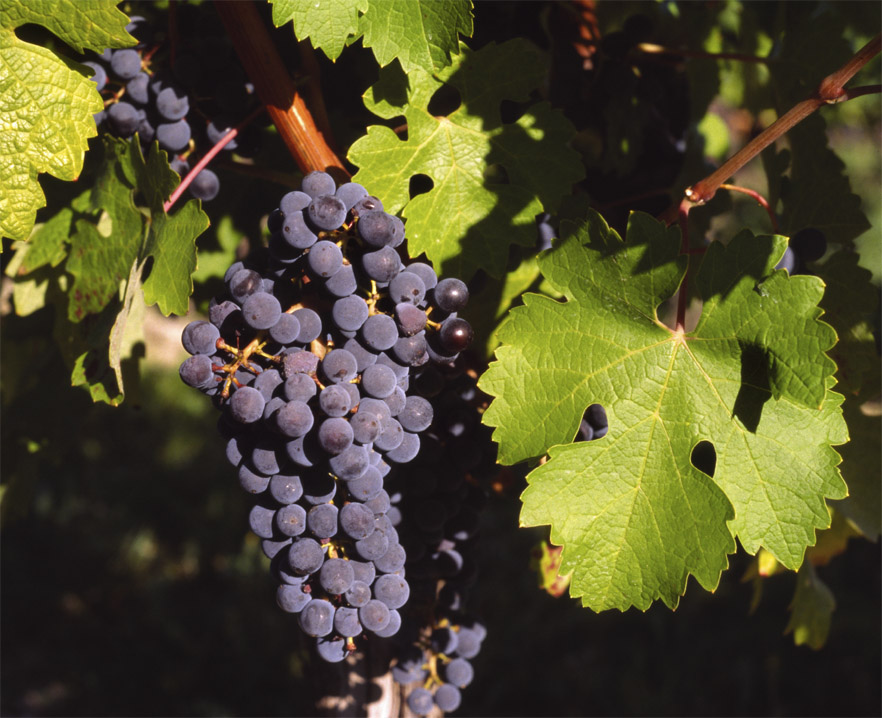
Blackcurrant, dark berries, herbs and cedar are common reference points for Cabernet Sauvignon. Young examples can feel firm and drying because of tannin. Some show a fresh leafy or mint-like note, while riper expressions place more emphasis on dark fruit.
These descriptions are a vocabulary for choosing wine, not a checklist that every bottle must satisfy. Oak treatment, site, vintage and bottle age can alter the balance. A wine with more tannin is not automatically better than a softer one.
Coonawarra and Margaret River
Coonawarra, South Australia: Cabernet Sauvignon is a key reference point for the region, which is associated with terra rossa soils. It is a sensible place to start when comparing structured Australian Cabernet.
Margaret River, Western Australia: Cabernet Sauvignon and Cabernet-led blends are central to the region's reputation. Use the blend details to understand whether you are comparing a single-variety wine or a combination with Merlot and other grapes.
Neither name is a guarantee of a single flavour or level of quality. Two producers in one region can make quite different wines. Compare the exact labels and vintages, not just the large regional name. Our Australian region guide puts them in context.
Cabernet, Shiraz and blends
| Wine | What to look for |
|---|---|
| Cabernet Sauvignon | A Cabernet-led style, often with a noticeable tannin framework. |
| Cabernet Merlot | The proportions and the producer's intended style; Merlot is not a guarantee of sweetness. |
| Cabernet Shiraz | An established Australian pairing of grape varieties; read which grape leads the blend. |
| Shiraz | Another grape entirely. Compare the Shiraz guide for regional and stylistic differences. |
Bordeaux provides a French comparison for Cabernet-led blends, but Bordeaux does not mean pure Cabernet Sauvignon. Check the blend before using an imported bottle as a direct benchmark.
Food matches to try
Roast lamb with rosemary, grilled beef and mushroom dishes with savoury depth are useful starting points. The firmness of a young Cabernet can feel more balanced with a substantial meal. For a lighter vegetable dish, a softer red may be a better fit.
Pay attention to a sweet barbecue glaze: it can change how dry and firm the wine tastes. If the sauce dominates, choose for the sauce rather than automatically reaching for the most powerful Cabernet on the shelf. These are editorial suggestions, not results from a comparative tasting.
Buying and cellaring
Ask whether the bottle is intended for drinking now or keeping. Some Cabernet Sauvignons develop well with age, but neither a high price nor a heavy bottle establishes a drinking window. Follow the producer's guidance for the exact vintage and consider the storage history of older stock.
At home, protect the wine from summer heat. Long-term storage needs a cool, dark and stable setting, not an uninsulated garage. Once opened, reseal and refrigerate the remaining wine. Read the storage guide before buying equipment or setting aside bottles for years.
Sources and further reading
Sources checked 20 October 2026.
- Wine Australia: six grape varieties
- Wine Australia: region modules
- NHMRC: Australian alcohol guidelines
For adults aged 18+. Alcohol and health guidance.