
A region name gives you a place to start. Pair it with the grape, producer and vintage to understand what is actually in the bottle.
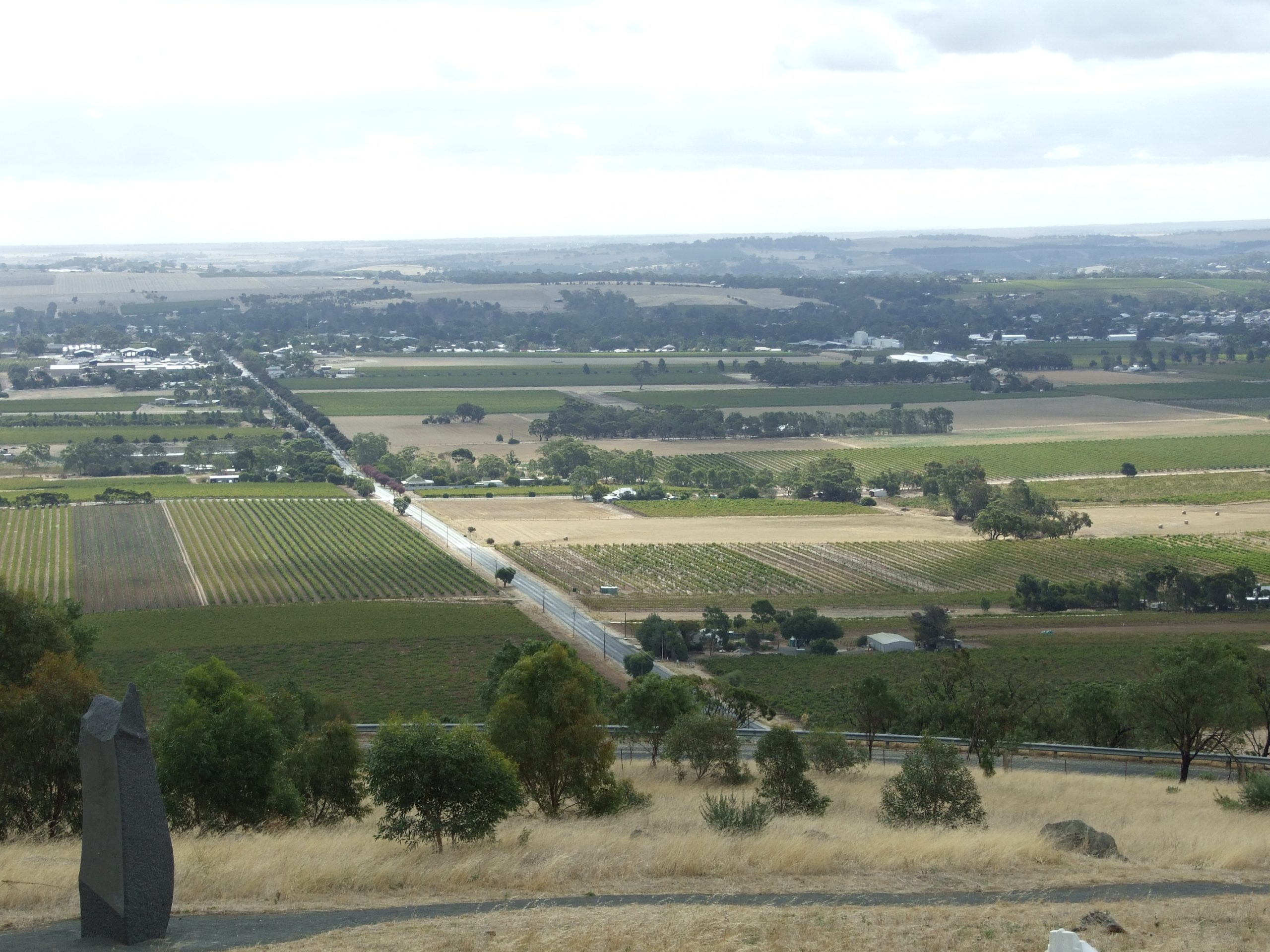
South Australia: more than one red-wine style
Barossa Valley: begin with Shiraz, then look beyond it to Grenache, blends and other styles. The valley is part of the broader Barossa zone. An old-vine reference is useful context, but it is not an automatic quality score.
Eden Valley: also within the Barossa zone, with elevated sites and an important Riesling identity. It deserves a separate place in your mental map rather than being treated as another name for Barossa Valley.
McLaren Vale: a South Australian region where Shiraz and Grenache are useful entry points. Its coastal influence and variety of sites mean that one large, ripe red cannot represent every producer.
Clare Valley: start with dry Riesling. Red wines are also made here; the region is not exclusively white-wine country. Compare an exact producer and vintage when deciding between Clare and Eden Valley Riesling.
Coonawarra: a Cabernet Sauvignon reference associated with terra rossa soils. Read it as a place with individual vineyards and producers, not a guarantee that every wine will show the same mint or dark-fruit note.
New South Wales: Hunter Valley
Hunter Valley is an important starting point for Semillon and Shiraz. Semillon is particularly useful if you want to understand how a white wine can change in bottle without relying on obvious new-oak flavour. Ask whether an example is a youthful release or a developed bottle.
A Hunter Valley label and a Barossa Valley label can name the same grape while offering different regional expressions. Treat that as an opportunity to compare styles rather than rank whole regions.
Victoria: Yarra Valley
Yarra Valley is a useful entry point for Chardonnay and Pinot Noir, as well as other varieties and sparkling wine. Cooler-climate language helps orient the search, but sites, seasons and producers still differ.
If you want a fresh Chardonnay, say that clearly and check the winemaking notes. Yarra Valley on a label does not promise unoaked wine or one fixed body.
Western Australia: Margaret River
Margaret River is a key region for Cabernet Sauvignon, Chardonnay and Semillon Sauvignon Blanc blends. Compare it with Coonawarra for Cabernet and with Yarra Valley or Tasmania for Chardonnay.
A Margaret River Cabernet-led blend may include several grapes. Look at the technical sheet before comparing it with a single-variety listing elsewhere.
Tasmania
Tasmania is a cool-climate reference for sparkling wine, Pinot Noir and Chardonnay. The island contains distinct growing areas and individual sites; Tasmania is not a description of one uniform wine.
For sparkling wine, read the grapes, sweetness information and production details. A Tasmanian bottle is not Champagne: Champagne is a protected French geographical name.
How to use this guide in a bottle shop
- Choose a grape or style first, such as dry Riesling or a savoury red.
- Pick two regional examples with clear labels and producer information.
- Check the exact vintage, bottle size and blend.
- Ask about storage history for an older bottle.
- Set a budget and compare the final delivered price, without assuming a famous region is always better.
This is a selected introduction. Australian wine also includes regions such as Adelaide Hills, Great Southern and Rutherglen. Continue with the grape guides or the Australian buying guide.
Sources and further reading
Sources checked 20 October 2026.
- Wine Australia: region modules
- Wine Australia: Barossa module
- Wine Australia: Hunter Valley module
- Wine Australia: Tasmania module
- NHMRC: Australian alcohol guidelines
For adults aged 18+. Alcohol and health guidance.