

Chenin Blanc makes dry, off-dry, sweet and sparkling wines. The Loire Valley and South Africa offer a broad range, so sweetness and texture are more useful buying clues than the grape name alone.
Chenin Blanc at a glance
Useful starting points, with style and vintage taken into account.
The grape is closely associated with Anjou and Touraine.
The traditional South African name refers to Chenin Blanc.
Still and sparkling wines both exist. Read the style description before buying.
Acidity can support aging, but neither sweetness nor an appellation name guarantees a fixed lifespan.
What Chenin Blanc tastes like
Apple, pear, quince and citrus are useful references for Chenin. Riper or more developed wines may suggest honey, baked fruit or wax. These aromas do not by themselves tell you how sweet the wine is. A dry Chenin can smell honeyed and still finish dry.
Its acidity often gives the wine a fresh, mouthwatering feel. Texture varies widely: stainless-steel fermentation, time on the lees and oak aging can produce different results. A rich Chenin does not have to be a sweet Chenin.
The label terms that matter
| Term or style | What it helps you choose |
|---|---|
| Sec / dry | A still wine with a dry finish. Useful with savory dishes when you do not want noticeable sweetness. |
| Demi-sec / off-dry | Some sweetness. Ask how noticeable it is, because acidity changes the way sweetness tastes. |
| Moelleux / sweet | A sweeter still wine. Match the degree of sweetness to the food rather than relying only on the grape. |
| Brut sparkling Chenin | A sparkling style. The word brut uses sparkling-wine labeling conventions; it is not interchangeable with a still-wine sweetness category. |
The Vouvray winegrowers’ union describes dry, medium-dry, sweet and sparkling expressions of Chenin. “Vouvray” alone therefore does not answer whether the bottle is sweet.
Loire Valley or South Africa?
In the Loire, Vouvray and Montlouis-sur-Loire offer several sweetness levels and sparkling wines. Savennières is especially associated with dry, textured Chenin. Coteaux du Layon, Bonnezeaux and Quarts de Chaume are names to investigate for sweet wines. Read the individual label rather than treating every appellation as one uniform flavor.
In South Africa, Chenin can be fresh and light or fuller and barrel fermented. The Chenin Blanc Association’s style indicator distinguishes fresh, fruity and rich sensory profiles. It is a useful reminder that country of origin alone cannot tell you the wine’s weight.
An “old vine” mention is context about the vineyard, not a universal quality grade or a promise of better flavor. Producer information and how the wine suits your meal remain more useful than a single marketing phrase.
A practical first purchase in the US
For a savory dinner, ask your retailer for a dry Chenin Blanc and say whether you want a crisp or a fuller style. For a first comparison, try a dry Loire Chenin alongside a dry South African example at a similar price. Confirm the current vintage and bottle size when comparing offers.
For roast turkey with a mildly sweet side dish, an off-dry Chenin is worth considering. With a cream sauce, try a richer dry bottling. With dessert, choose a genuinely sweet wine; a dry bottle with apple aromas can still taste sour next to a sweet apple pie.
US availability depends on the importer and retailer. This guide does not claim that a particular producer is stocked locally or attach a fixed price to an entire appellation.
Serving and keeping Chenin
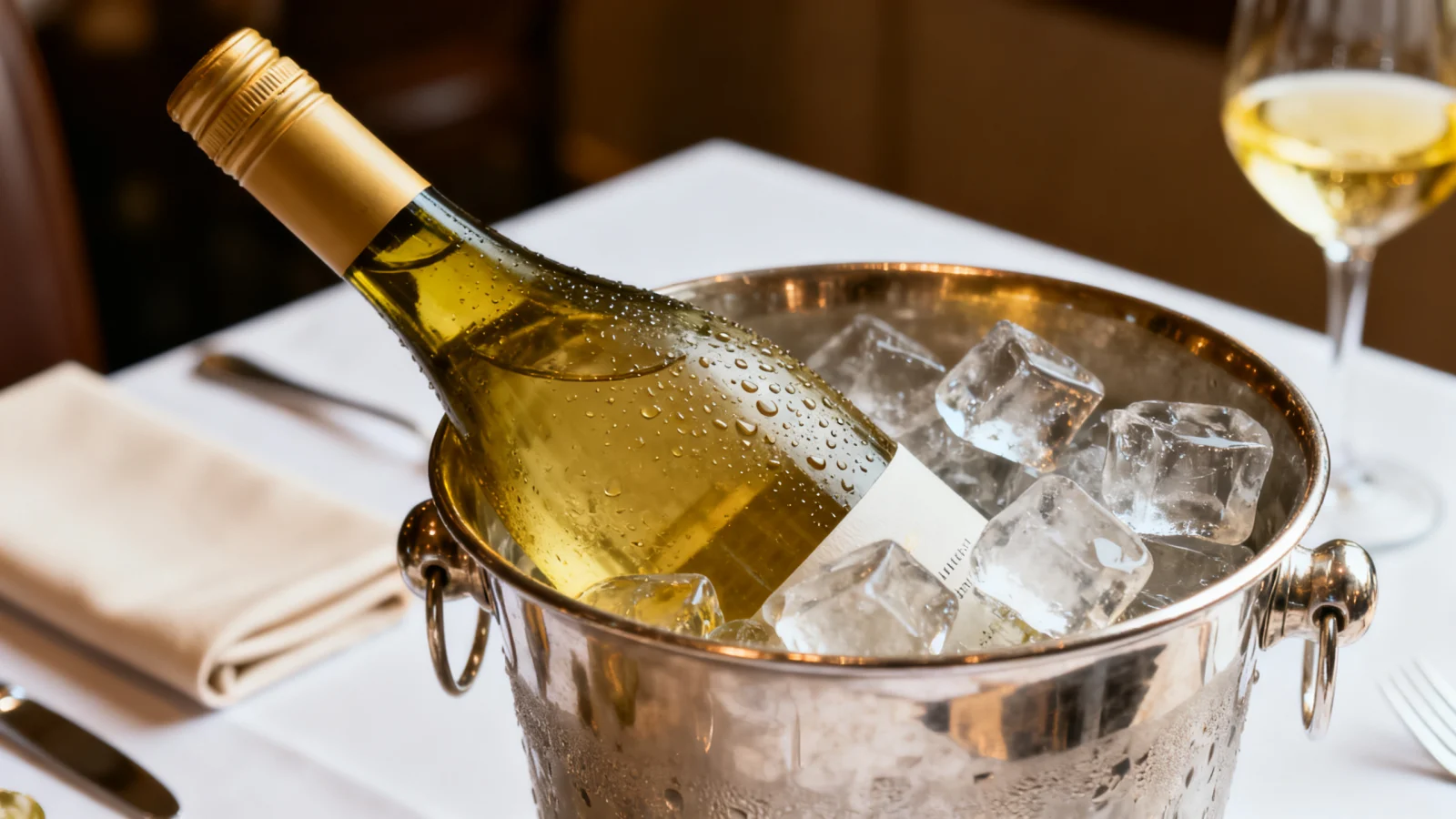
Try most still styles around 48 to 54°F (9 to 12°C). Sparkling and very sweet bottles can start slightly cooler. Allow a textured dry wine to warm a little if it seems closed; a refrigerator-cold glass can hide its aromas.
There is no reliable “Chenin keeps for 50 years” rule. Some well-made dry and sweet wines can develop for a long time, while others are intended for fresh fruit. For cellaring, get a recommendation for the precise vintage, and consider storage history when buying an older bottle.
Frequently asked questions about Chenin Blanc
Is Chenin Blanc always sweet?
No. It can be dry, off-dry, sweet or sparkling. Look for a sweetness description or ask for the producer’s technical sheet.
Is Steen the same grape?
Yes. Steen is the traditional South African name for Chenin Blanc.
How do Vouvray and Savennières differ?
Both are Loire appellations associated with Chenin. Vouvray includes dry, off-dry, sweet and sparkling wines; Savennières is best known for dry, textured wines. Check the individual bottle.
How long can I keep a sweet Chenin?
That depends on the producer, vintage, wine style and storage. Sugar and acidity can support aging, but they do not guarantee that every sweet bottle improves for decades.
Sources and further reading
Appellation and grape references checked September 22, 2026:
- Vouvray winegrowers’ union: styles of Chenin
- Chenin Blanc Association: style indicator
- InterLoire: dry white wine styles
Continue with our grape variety guide, serving temperature guide and food pairing guide.
Food pairings to try
Choose the wine for the sauce, sweetness and intensity of the dish.
Fish in a cream sauce
Try a textured dry Chenin.
Roast turkey
An off-dry style may suit mildly sweet accompaniments.
Cheese board
Choose the sweetness to match the strongest cheese.
Apple dessert
Use a sweet Chenin with enough sweetness for the dish.