
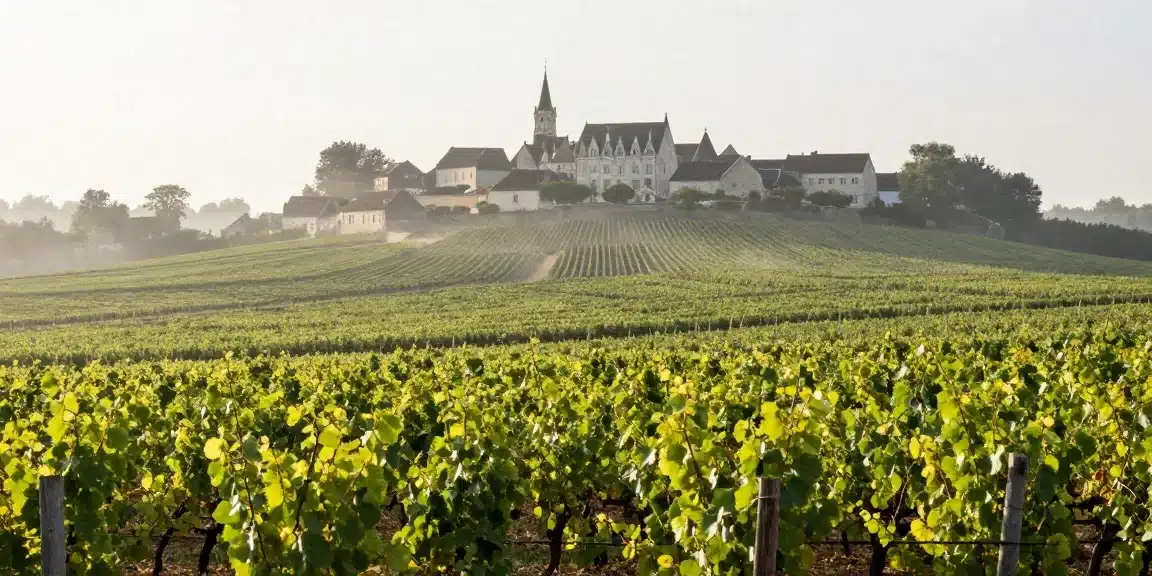
Sauvignon Blanc is known for bright acidity and citrus, herbal or tropical aromas. In the US you meet it from Napa and Sonoma, as Marlborough imports from New Zealand, and as Sancerre from the Loire: compare the producer's style as well as the region.
Sauvignon Blanc at a glance
Useful starting points, with style and vintage taken into account.
The Loire Valley and Bordeaux are established homes of the grape.
Ripeness and winemaking affect which aromas stand out.
Ripe fruit aromas are not the same as residual sugar.
Do not assume Sauvignon Blanc is always fermented or aged in stainless steel.
What Sauvignon Blanc tastes like
Lime, grapefruit, gooseberry, passion fruit and fresh herbs are common tasting references. Some wines emphasize green, leafy aromas; others lean toward ripe tropical fruit. These are descriptions of aroma, not ingredients in the bottle.
Acidity often gives the wine a crisp finish. A fuller texture may come from ripeness, lees contact, oak or blending. “Mineral” and “flinty” are tasting terms, not evidence that a wine contains the flavor of a particular rock.
New Zealand Wine describes a range that includes citrus and tropical notes, along with increasing use of lees contact and oak. Marlborough should not be reduced to one intense, grassy style.
Three useful styles to compare
| Style | Questions to ask |
|---|---|
| Loire Sauvignon Blanc | Is the bottle a bright, youthful style or a more textured, concentrated example? Sancerre and Pouilly-Fumé are familiar names; other Loire appellations offer different options. |
| Bordeaux white | Is Sauvignon blended with Sémillon? Has it seen oak? These choices can change body and flavor substantially. |
| New Zealand Sauvignon Blanc | Does the producer describe citrus, herbs or tropical fruit? Is it unoaked, barrel fermented or lees aged? Region alone is not the whole story. |
Sauvignon Blanc in the US: Napa, Sonoma and beyond
California is the main US source of Sauvignon Blanc. In Napa Valley, styles range from crisp, citrus-driven wines fermented in stainless steel to richer, rounder versions aged in oak or blended with Sémillon, closer to white Bordeaux. Sonoma County, including the Russian River Valley and Sonoma Valley, adds more cool-climate freshness in many bottles, and Lake County and Mendocino supply good-value wines. Washington State grows it too, often in a bright, fruit-forward style.
The name Fumé Blanc is an American story. According to UC Davis Foundation Plant Services, Robert Mondavi adopted it for his Sauvignon Blanc in the 1960s to suggest the dry style of Pouilly-Fumé in the Loire. Today producers use it for a range of styles, sometimes but not always oaked, so read the back label.
On US shelves, New Zealand's Marlborough is the benchmark many shoppers know best: pungent, tropical and herbal. Sancerre and Pouilly-Fumé from the Loire tend to be leaner and more mineral in impression, and often cost more. A side-by-side of a Napa, a Marlborough and a Sancerre at similar prices is the fastest way to find your style.
Sauvignon Blanc prices in the US (as of September 2026)
Approximate shelf ranges for 750 ml (25.4 fl oz) bottles as of September 2026. These are budget bands, not a price check of specific bottles, and they vary by state, store and vintage.
| Tier | Approximate shelf price |
|---|---|
| Everyday California, Washington or Marlborough | about $10 to $20 |
| Named California region (Napa, Sonoma, Russian River) | about $20 to $40 |
| Sancerre and Pouilly-Fumé | about $25 to $45 |
| Top Napa bottlings and white Bordeaux | about $50 and up |
Where to buy Sauvignon Blanc in the US
Total Wine & More and most large wine shops group bottles by country and region, Wine.com ships to many states and shows vintage and technical notes, Costco carries a rotating selection depending on the warehouse and state law, and Trader Joe's sells wine in many, but not all, states. New Zealand bottles usually sit in their own section; Sancerre and Pouilly-Fumé are under France, Loire.
Choosing a bottle: Loire, Marlborough or California
For a first comparison, ask for a dry Loire Sauvignon Blanc and a dry Marlborough example. Choose similarly priced bottles and read their technical notes before assuming every difference comes from geography.
California Sauvignon Blanc gives US shoppers another option. You may see the name Fumé Blanc on a label; ask about the actual winemaking rather than assuming the name guarantees a specific amount of oak. A producer’s description is more reliable than a general rule.
If you like crisp, light whites, request a fresh, unoaked style. If you usually drink fuller Chardonnay, ask for a textured Sauvignon or a Sauvignon-Sémillon blend. Check the exact vintage, bottle size and current US retail price before comparing value.
Food pairings that start with the sauce
Try a crisp Sauvignon with goat cheese, a lemon-and-herb chicken dish, grilled fish or a green vegetable salad. With vinaigrette, keep the dressing balanced: a very sharp dressing can overwhelm the wine.
A richer white Bordeaux can be a better match for a creamy sauce than a very light Sauvignon. With takeout, consider chili, sweetness and coconut or cream separately. A dry wine with high alcohol will not automatically be comfortable beside intense heat.
The same fish can call for different wines when served with lemon, butter or a sweet glaze. Use our food pairing guide to compare those choices.
Serving and aging
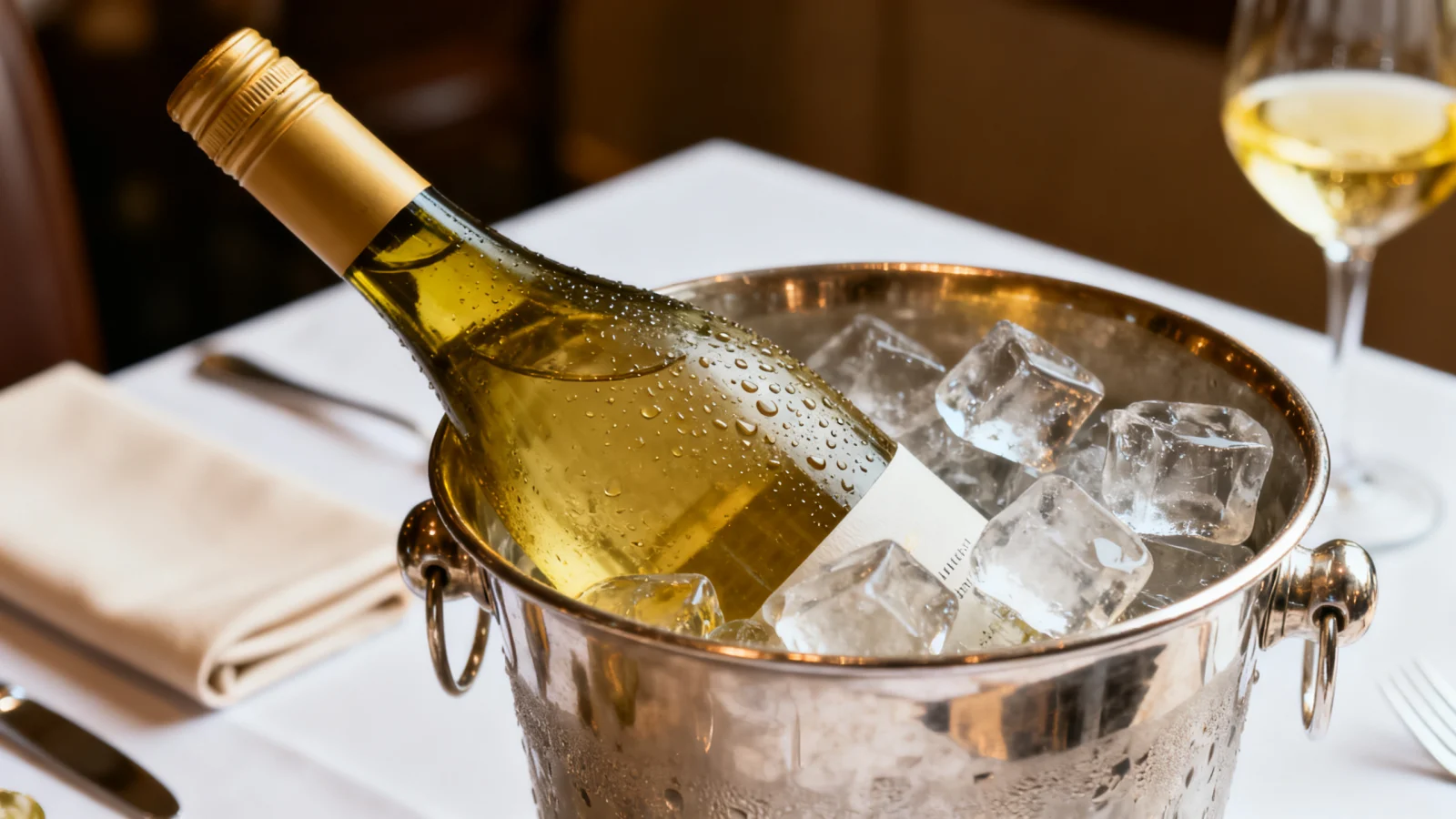
Start around 46 to 52°F (8 to 11°C) for a crisp style. A fuller or oak-aged bottle may show more aroma and texture a little warmer. These are serving suggestions, not conditions for a wine to be correct.
Many Sauvignons are released for early drinking, but saying the variety cannot age is too broad. Some concentrated Loire, Bordeaux and New Zealand examples develop in bottle. Ask about the specific wine and vintage before buying for the cellar. A higher price or famous appellation is not, by itself, a storage plan.
For an already opened bottle, reseal it and refrigerate it. Taste again before serving; the useful drinking window depends on the wine and how it was handled.
Frequently asked questions about Sauvignon Blanc
Is Sancerre blanc made from Sauvignon Blanc?
Yes. White Sancerre is made from Sauvignon Blanc. Sancerre also produces red and rosé wines, which are different wines.
Is Sauvignon Blanc always unoaked?
No. Stainless steel is common, but oak fermentation or aging and lees contact are also used. Check the producer’s description.
Does a tropical aroma mean the wine is sweet?
No. A dry wine can smell strongly of passion fruit or other ripe fruit. Sweetness is a separate characteristic.
Can Sauvignon Blanc age?
Some wines can develop with cellaring, while many are intended for youthful freshness. Follow the producer’s guidance for the exact bottle rather than a universal rule.
What is the difference between California and New Zealand Sauvignon Blanc?
Marlborough Sauvignon Blanc is usually intensely aromatic, with passion fruit, grapefruit and herbal notes. California versions vary more: many Napa and Sonoma wines are riper and rounder, and some are aged in oak or blended with Sémillon. Producer and vintage matter as much as the country.
Sources and further reading
Appellation and grape references checked September 22, 2026:
- New Zealand Wine: Sauvignon Blanc
- InterLoire: lively, aromatic dry whites
- Centre-Loire wine council: Sancerre profile
- Robert Mondavi Winery: an example of California Fumé Blanc
Continue with our grape variety guide, serving temperature guide and food pairing guide.
Food pairings to try
Choose the wine for the sauce, sweetness and intensity of the dish.
Goat cheese
A crisp Sauvignon is a useful starting point.
Grilled fish
Choose according to the sauce, not only the fish.
Lemon-herb chicken
Try a fresh citrus-driven style.
Vegetable salads
Avoid letting a very sharp dressing dominate.