
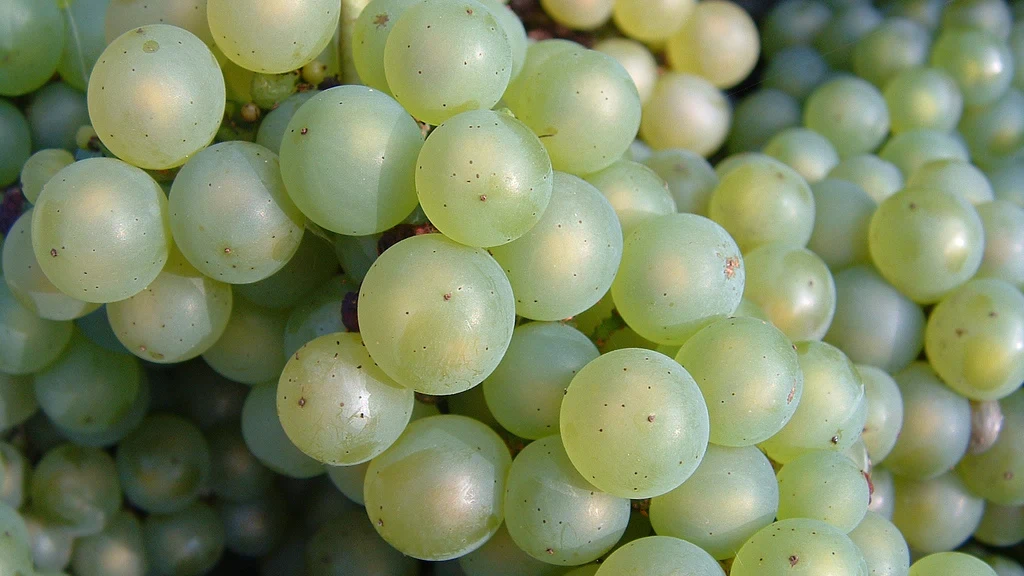

Chardonnay can be crisp and citrusy or rich, creamy and toasty. The grape is the same; the difference comes from climate and winemaking choices such as oak, malolactic conversion and lees aging.
Chardonnay at a glance
Useful starting points, with style and vintage taken into account.
DNA research traced it to Pinot and Gouais blanc.
Warmer sites push it toward pineapple and mango.
Oak vanilla is not the same as sugar.
Read the label or technical notes before assuming.
What Chardonnay wine tastes like
Chardonnay has a fairly neutral aroma on its own, which is why it reflects its site and cellar so clearly. From cool vineyards it often shows lemon, green apple and a chalky or saline impression. In warmer places it moves toward peach, pear, pineapple and mango. For a dated look at growing conditions, the California 2026 early harvest report explains the warm spring and regional differences reported by producers before the wines were finished.
Winemaking adds another layer. Barrel fermentation and aging can bring vanilla, toast and hazelnut notes. Lees contact adds creaminess and bread-dough notes. Malolactic conversion softens acidity and can bring a buttery aroma. A Chardonnay can use all of these, some of them or none.
According to UC Davis Foundation Plant Services, Chardonnay is a cross between Pinot and the nearly extinct Gouais blanc, and it was still the most widely planted wine grape in California as of 2017.
Oaked vs unoaked Chardonnay
This is the main choice to make in a store. WSET describes US Chardonnay as ranging from wines made with extensive oak, malolactic conversion and lees contact to wines fermented in stainless steel with malolactic blocked. It also notes a clear shift away from the very ripe “butter bomb” style toward lower alcohol and crisper acidity.
| Oaked Chardonnay | Unoaked Chardonnay | |
|---|---|---|
| Made in | Barrels, new or used, for fermentation and/or aging | Stainless steel, concrete or old neutral barrels |
| Typical flavors | Ripe fruit, vanilla, toast, hazelnut, sometimes butter | Lemon, green apple, pear, white flowers |
| Texture | Rounder, creamier | Leaner, more crisp |
| Label clues | “Barrel fermented”, “aged in French oak”, “Reserve” on some US labels | “Unoaked”, “stainless steel”, many Chablis and Mâcon wines |
| Try it with | Roast chicken, lobster with butter, creamy pasta | Oysters, grilled fish, salads, goat cheese |
“Reserve” has no legal meaning on a US wine label, so it does not prove the wine is oaked. The producer’s technical sheet, usually on the winery site or on Wine.com, is the most reliable place to check barrel use and malolactic conversion.
Is Chardonnay dry or sweet?
Most Chardonnay is dry. The impression of sweetness usually comes from very ripe fruit, higher alcohol and oak-derived vanilla. Some inexpensive bottles are finished with a small amount of residual sugar to round them out; if that matters to you, look for the residual sugar figure on the technical sheet.
Sweet Chardonnay does exist, for example in rare late-harvest wines, but it is uncommon. Sparkling wines made only from Chardonnay, labeled Blanc de Blancs, range from bone dry to noticeably sweet depending on the term on the label, such as Brut Nature, Brut or Demi-Sec.
Where Chardonnay grows: US regions and Burgundy
| Region | What to look for |
|---|---|
| Sonoma County, California | Russian River Valley, Sonoma Coast and Carneros are cooled by fog. Expect ripe fruit balanced by fresh acidity, with or without oak. |
| Napa Valley, California | Often fuller and riper, with tropical fruit; Carneros, at the cool southern end, makes a fresher style. |
| Central Coast, California | Santa Barbara County, the Santa Lucia Highlands and Monterey make everything from taut to generous wines. |
| Oregon and Washington | WSET singles out Oregon for high-acid Chardonnay that invites comparison with Burgundy; Washington sits between Oregon and California in ripeness. |
| Finger Lakes, New York | A cool region producing crisp, high-acid Chardonnay. |
| Burgundy, France | Chablis for a lean, often unoaked style; Mâcon for approachable, fruity wines; Meursault, Puligny-Montrachet and other Côte de Beaune villages for more concentrated, often barrel-aged wines. |
Chardonnay prices in the US (as of September 2026)
Prices below are listed prices for 750 ml (25.4 fl oz) bottles, checked on retailer and winery websites as of September 2026. They are examples to calibrate a budget, not recommendations, and they change with vintage, state and promotions.
| Tier | Typical shelf price | Examples checked |
|---|---|---|
| Everyday California | about $15 to $25 | Kendall-Jackson Vintner’s Reserve Chardonnay, $17; La Crema Monterey, $20; La Crema Sonoma Coast, $23; Sonoma-Cutrer Sonoma Coast, $25 (winery sites) |
| Burgundy, entry level | about $15 to $35 | Louis Jadot Mâcon-Villages, $15.49; Louis Jadot Pouilly-Fuissé, $31.99 list price; Moutard Chablis Premier Cru, $32.99 (ABC Fine Wine & Spirits) |
| Named sites, California | about $35 to $55 | Sonoma-Cutrer Russian River Ranches, $33; La Crema Russian River Valley, $35; Sonoma-Cutrer Les Pierres, $46; La Crema Saralee’s Vineyard, $55 (winery sites) |
Where to buy Chardonnay in the US
Total Wine & More has one of the widest in-store ranges and lets you filter by region and price. Wine.com ships to many states and usually shows the vintage and technical notes on the product page. Costco carries a rotating wine selection that depends on the warehouse and on state law. Trader Joe’s sells wine in many of its stores, often under its own labels, but not in every state.
If you are looking for an unoaked bottle, filter by the word “unoaked” or by Chablis, then check the producer notes. Many store descriptions say “buttery” or “crisp”, which is a useful first hint.
Shelf prices for the same bottle can differ by several dollars from one state or store to the next, because taxes and distribution rules vary. Compare the vintage and bottle size before comparing the price.
Food pairings for Chardonnay
Match the weight of the wine to the dish. A crisp, unoaked Chardonnay suits oysters, shrimp, grilled white fish and green salads. A fuller, oaked style has the body for roast chicken, lobster or crab with butter, corn dishes and creamy pasta.
Heavy oak can clash with very spicy food or delicate raw fish. With cheese, try Brie, Comté or aged Gouda with richer styles and fresh goat cheese with leaner ones. Our food pairing guide has more examples by sauce.
Serving and storing Chardonnay
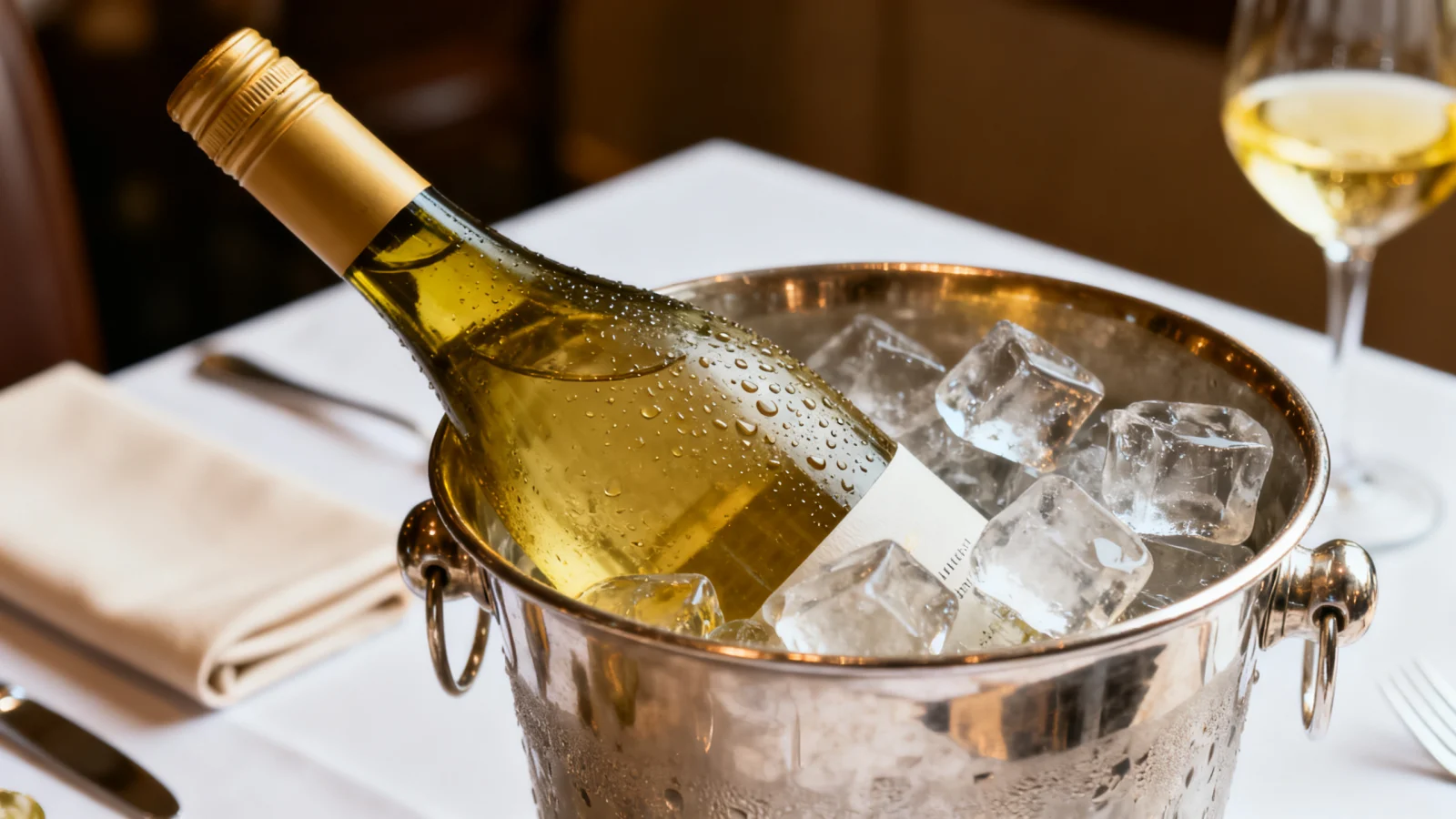
Start around 48 to 52°F (9 to 11°C) for a crisp, unoaked wine and 50 to 55°F (10 to 13°C) for a fuller, oaked one, the range WSET gives for full-bodied whites. Straight from a home refrigerator, the wine is often colder than that; let the glass sit for a few minutes. A standard US pour is 5 oz, about five glasses per 750 ml bottle.
Many everyday Chardonnays are made for drinking within a few years. Some Burgundy and top California bottles develop for longer. Ask about the specific wine and vintage before cellaring it, and store bottles on their side away from heat and light.
Frequently asked questions about Chardonnay
Is Chardonnay dry or sweet?
Most Chardonnay is dry. Ripe fruit, vanilla from oak and a creamy texture can give an impression of sweetness without much residual sugar. Some mass-market bottles keep a little sugar, so check the producer’s technical sheet if dryness matters to you.
What is the difference between oaked and unoaked Chardonnay?
Oaked Chardonnay is fermented or aged in barrels, which can add vanilla, toast and a rounder texture. Unoaked Chardonnay is usually made in stainless steel or neutral vessels and tastes more of citrus, apple and pear.
Why does some Chardonnay taste buttery?
A buttery note usually comes from malolactic conversion, a step in which bacteria turn sharper malic acid into softer lactic acid. Many producers combine it with oak and lees contact; others block it to keep the wine crisper.
Is Chablis a Chardonnay?
Yes. Chablis, in northern Burgundy, is made from Chardonnay. It is often unoaked or lightly oaked, but some producers use barrels, so the label alone does not guarantee the style.
Should Chardonnay be served very cold?
Not too cold. Start around 48 to 52°F (9 to 11°C) for a crisp, unoaked wine and 50 to 55°F (10 to 13°C) for a fuller, oaked style. Very low temperatures hide the aromas.
How long does Chardonnay keep after opening?
Recorked and refrigerated, many Chardonnays stay pleasant for a few days. Taste before serving: the exact window depends on the wine and how much air is left in the bottle.
Sources and further reading
Grape references and prices checked September 22, 2026:
- UC Davis Foundation Plant Services: Chardonnay
- WSET: Chardonnay in the US
- WSET: ideal serving temperatures
- NIAAA: what is a standard drink
- Kendall-Jackson: Vintner’s Reserve prices
- La Crema: winery shop prices
- Sonoma-Cutrer: winery shop prices
- ABC Fine Wine & Spirits: Louis Jadot Mâcon-Villages
- ABC Fine Wine & Spirits: Louis Jadot Pouilly-Fuissé
- ABC Fine Wine & Spirits: Moutard Chablis Premier Cru
Continue with our grape variety guide, white wine guide and Sauvignon Blanc guide.
Food pairings to try
Choose the wine for the sauce, sweetness and intensity of the dish.
Oysters
Choose a crisp, unoaked style such as Chablis.
Lobster with butter
A fuller, oaked Chardonnay matches the richness.
Roast chicken
Works with most styles; creamy sauces call for oak.
Brie or Comté
Rounder styles suit softer, nutty cheeses.