
Australian Chardonnay can be taut and citrus-led or broader and savoury. Oak matters, but climate, harvest choices and time on lees matter too.
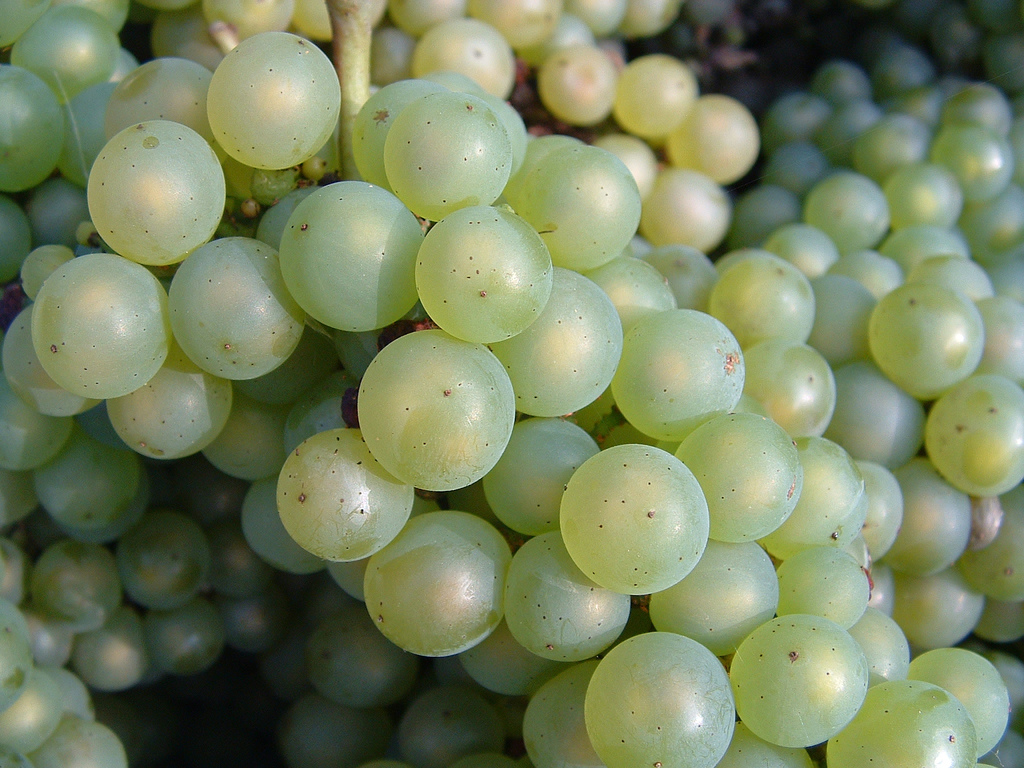
What does Chardonnay taste like?
Common flavour references include lemon, apple, peach and other stone fruit. Riper examples may suggest tropical fruit. Oak can add toast and spice; lees contact can give a more rounded texture. These are general style descriptions, not tasting notes for a bottle we have sampled.
Chardonnay is usually made as a dry table wine. A creamy texture or vanilla aroma does not establish sweetness. If sugar matters to your choice, look for the producer's technical information rather than guessing from a tasting description.
Oaked, unoaked and buttery
| Label or technical note | What it can suggest | What it does not guarantee |
|---|---|---|
| Unoaked | Fruit-led wine without oak-derived flavours | A light body or a particular level of acidity. |
| Barrel fermented or barrel matured | Possible oak influence and more textural development | Strong vanilla flavour; older barrels can be subtle. |
| Malolactic fermentation | Softer acidity and possible buttery notes | Sweet wine or heavy new-oak flavour. |
| Lees contact | More texture and savoury complexity | That the wine is necessarily oaked. |
If you have disliked a rich Chardonnay before, ask for a fresher example with restrained oak. If you enjoy texture, ask how the wine was fermented and matured rather than relying only on the word reserve.
Australian regions to compare
Margaret River: a useful place to explore Chardonnay with fruit depth and texture. Yarra Valley: a starting point for a more restrained expression. Tasmania: look at both still Chardonnay and sparkling wines made with the variety. Adelaide Hills, Mornington Peninsula, Orange and Hunter Valley broaden the picture.
These are starting points, not fixed regional recipes. A producer may make several different Chardonnays from the same region. Compare the vineyard source, vintage and winemaking notes before treating the region as a promise.
Food matching for an Australian table
For simply grilled whiting or prawns with lemon, start with a fresher style. For roast chicken, pumpkin risotto or seafood with a buttery sauce, consider a more textured Chardonnay. The sauce and cooking method often matter more than whether the main ingredient is fish or poultry.
A creamy wine can feel heavy alongside a delicate raw oyster. A citrus-led example may be a more useful starting point. These are editorial matching ideas; personal preference comes first. More suggestions are in the food-pairing guide.
Choosing and keeping a bottle
Check whether a shop's listing is still wine or sparkling, then confirm the exact vintage and bottle size. For French comparisons, Chablis and white Burgundy provide useful context, but both regions contain different styles and price levels.
Keep the bottle away from heat and direct sun. Serve cool, then let a small amount warm in the glass if the wine seems closed. Reseal an opened bottle and refrigerate it; see wine storage at home. A screwcap does not by itself tell you whether a Chardonnay is suitable for long ageing.
Is Chardonnay always full-bodied?
No. The variety can produce a wide range of body and texture. Ask for a leaner or richer style in plain language, and use the producer's description to narrow your choice. If you want a white whose Australian identity often centres on dry, citrus-led freshness, compare Riesling.
Sources and further reading
Sources checked 20 October 2026.
- Wine Australia: Chardonnay module
- Wine Australia: Chardonnay factsheet
- Wine Australia: region modules
- NHMRC: Australian alcohol guidelines
For adults aged 18+. Alcohol and health guidance.