
If you expect every Riesling to be sweet, Australian examples can be a surprise. Clare and Eden Valley are known for dry wines with bright acidity and citrus character.
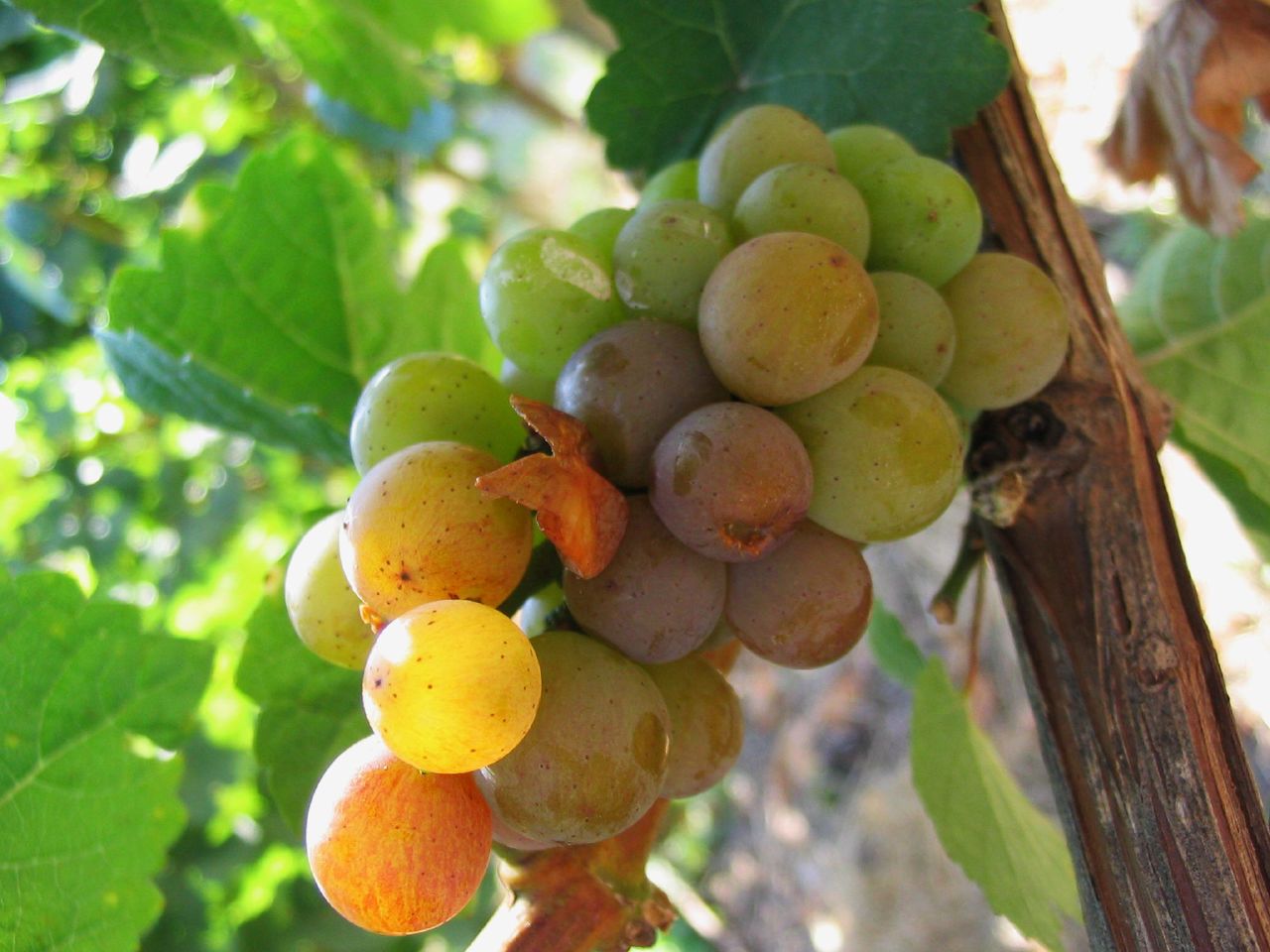
Is Australian Riesling dry?
Many Australian Rieslings are dry, particularly the styles associated with Clare and Eden Valley. Sweet and late-harvest examples also exist. The variety name alone cannot establish sweetness, so look for a clear style statement or the producer's technical notes.
Lime, lemon, green apple and floral aromas are useful reference points for young examples. An aromatic wine can smell fruity without tasting sweet. Acidity describes a fresh, mouth-watering sensation; it is different from tannin in a red wine.
Clare Valley, Eden Valley and beyond
Clare Valley: one of the principal places to begin an Australian Riesling comparison. Start with the dry style, then explore individual sites and producers rather than expecting every bottle to share one exact profile.
Eden Valley: another key South Australian reference, within the broader Barossa zone. Its identity should not be collapsed into Barossa Valley Shiraz. Compare the label's geographic detail as well as its vintage.
Great Southern, Tasmania and Canberra District provide further regional comparisons. A region can guide your search, but the individual wine and its intended style remain the useful final checks.
Young and aged Riesling
A young bottle may lead with citrus and freshness. Some Rieslings become more textural and develop toast or honey-like notes with bottle age. Those aroma descriptions do not necessarily mean the wine has become sweet.
Some examples can age well, but a long cellaring window is not a promise for every bottle. Look for the producer's guidance and a reliable storage history. A screwcap is common on Australian Riesling and does not mean the wine must be drunk immediately.
Food matches for local meals
| Meal | What to consider |
|---|---|
| Prawns or simply cooked fish with lemon | A dry, fresh Riesling can echo the citrus. |
| Oysters served simply | Try a restrained dry style and keep strong condiments in mind. |
| Thai-style salad or a chilli dish | Match the heat and sweetness of the dressing; a clearly off-dry wine may suit some dishes better. |
| Roast pork with apple | Consider both a young dry style and a more developed example. |
Australia's food is diverse; these are suggestions, not claims of one national pairing tradition. A non-alcoholic drink is an equally valid choice for any meal.
How to choose your next bottle
Ask the bottle shop for a dry Clare or Eden Valley Riesling, then say whether you want youthful citrus or a developed bottle. Check the vintage and exact producer label. Do not infer that an older bottle is superior just because it is older.
For imported comparisons, German Riesling includes a broad spectrum of sweetness, and Alsace also offers different styles. Compare the actual wine rather than equating a country with one sugar level. For a white with a different approach to texture and oak, read the Chardonnay guide.
Keeping Riesling at home
Keep unopened bottles cool and dark, away from summer heat. After opening, replace the closure and refrigerate the bottle. A screwcap reseals the bottle but does not remove air already introduced. See how to store wine for practical options without a cellar.
Sources and further reading
Sources checked 20 October 2026.
- Wine Australia: Riesling module
- Wine Australia: Riesling factsheet
- Wine Australia: region modules
- NHMRC: Australian alcohol guidelines
For adults aged 18+. Alcohol and health guidance.