
Choose for the whole dish: its sauce, seasoning and cooking method can matter more than the main ingredient. These are starting points for your own preferences.
A quick guide for dinner
| What is on the table | A style to consider | Why start there |
|---|---|---|
| Prawns with lemon or a simple fish dish | Dry Riesling or fresh, restrained Chardonnay | A citrus-led style can work with a light preparation. |
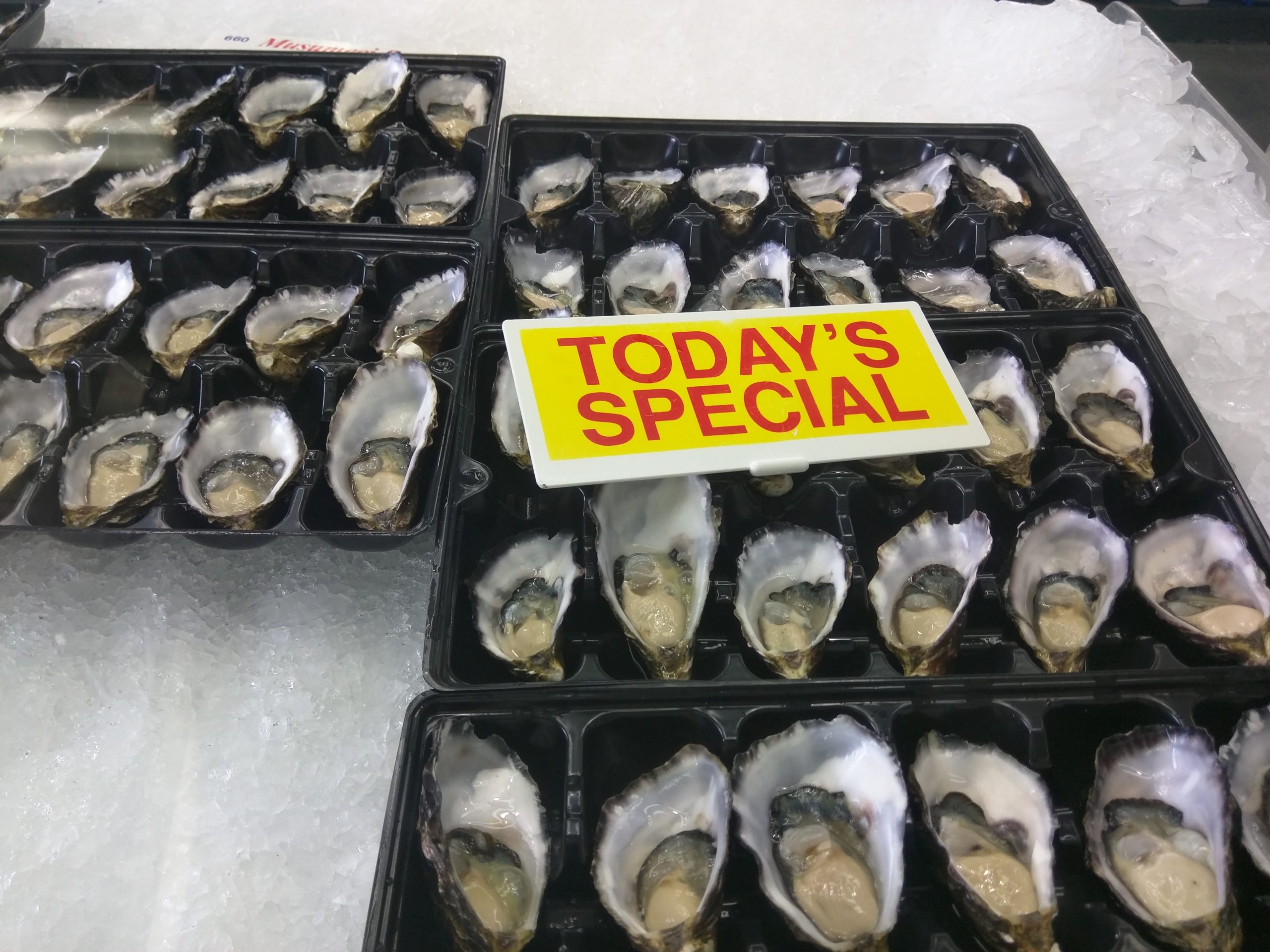
| Oysters served simply | A dry Riesling or a crisp local sparkling wine | Freshness can suit the briny flavour; strong sauces change the match. |
| Barbecued lamb with rosemary | Shiraz or Cabernet Sauvignon | Savoury flavours and structure can suit the meat and char. |
| Roast chicken with a buttery sauce | Textured Chardonnay | Body and texture can stand alongside the sauce. |
| Charred mushrooms or lentil and mushroom pie | A savoury Shiraz | Choose for the depth of the dish rather than treating vegetables as one category. |
| Chilli-heavy salad or curry | A clearly off-dry white, if you enjoy that style | Check sweetness and alcohol; a forceful dry red may be uncomfortable with heat. |
Barbecue: check the glaze
The word barbecue can mean a simply grilled lamb chop, a smoky vegetable dish or meat covered in a sweet sauce. Those dishes do not all ask for the same wine. With rosemary lamb, start with a savoury Shiraz. With a very sweet glaze, pay attention to how dry and firm the red tastes alongside it.
A bigger or more alcoholic wine is not automatically a better barbecue wine. If you are cooking outdoors, put bottles in the shade and keep them away from the hotplate. Serve water and a non-alcoholic option, and keep handling the barbecue separate from drinking.
Seafood: light preparation or rich sauce?
For prawns with lemon, a dry Riesling is an accessible starting point. For fish with a creamy sauce, a more textured Chardonnay may make more sense. Deep-fried fish, raw oysters and a seafood curry are different matching problems.
Condiments can dominate. Chilli, vinegar-heavy dressing, garlic butter or a sweet relish may change the result more than the species of fish. When unsure, taste the food before deciding how much intensity you want in the wine.
Vegetarian meals deserve the same detail
Think about texture and cooking. Charred mushrooms, tomato-based pasta, a delicate salad and roast pumpkin each have different weight and flavours. A substantial mushroom pie can suit a red, while a lightly dressed salad may work better with a fresh white.
Ask a shop for a wine that suits the actual dish: roast pumpkin with yoghurt and herbs is a more useful description than vegetarian dinner. Avoid assuming a plant-based meal needs a powerful red or that a white must be light.
One meal, several dishes
You do not need a different bottle for every plate. Pick a flexible style that suits the most prominent flavours, or choose a non-alcoholic drink. If you open wine, pour the amount you want and save the remainder rather than finishing a bottle to avoid waste. Our storage guide explains practical options.
These suggestions describe flavour preferences and carry no health benefit claim. No level of drinking is risk-free. Food does not make alcohol consumption safe, and choosing not to drink is always appropriate.
Sources and further reading
Sources checked 20 October 2026.
- Wine Australia: Chardonnay factsheet
- Wine Australia: Riesling factsheet
- Wine Australia: Shiraz and blends module
- WHO: alcohol fact sheet
- NHMRC: Australian alcohol guidelines
For adults aged 18+. Alcohol and health guidance.